
Inventory is rarely the most exciting part of running a retail business. When you’re focused on customers, staffing, marketing, and putting out day-to-day fires, it’s easy for inventory control to slide down the priority list.
Even though it’s not glamorous, inventory accounts for a major share of financial commitments for retailers. When it’s not managed well, inventory can drain cash flow while also impacting customer experiences. On the other hand, strong inventory control for retail helps keep stock levels balanced and frees up cash that can be reinvested into the business.
Why Inventory Control Matters More Than You Think
For most retailers, inventory is one of the largest ongoing investments. It’s also one of the least flexible liquid assets. Once it’s bought, it’s sitting there until it sells.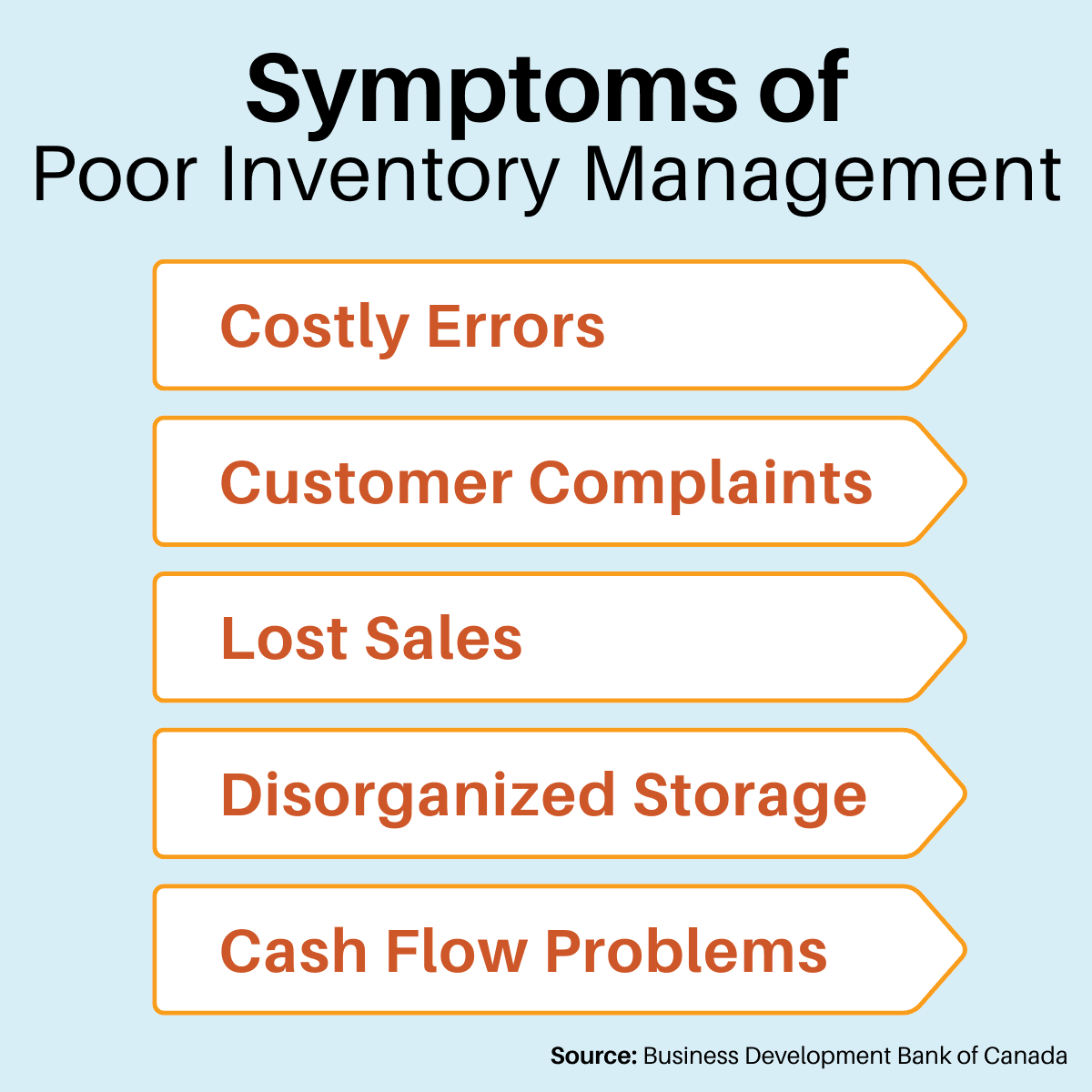
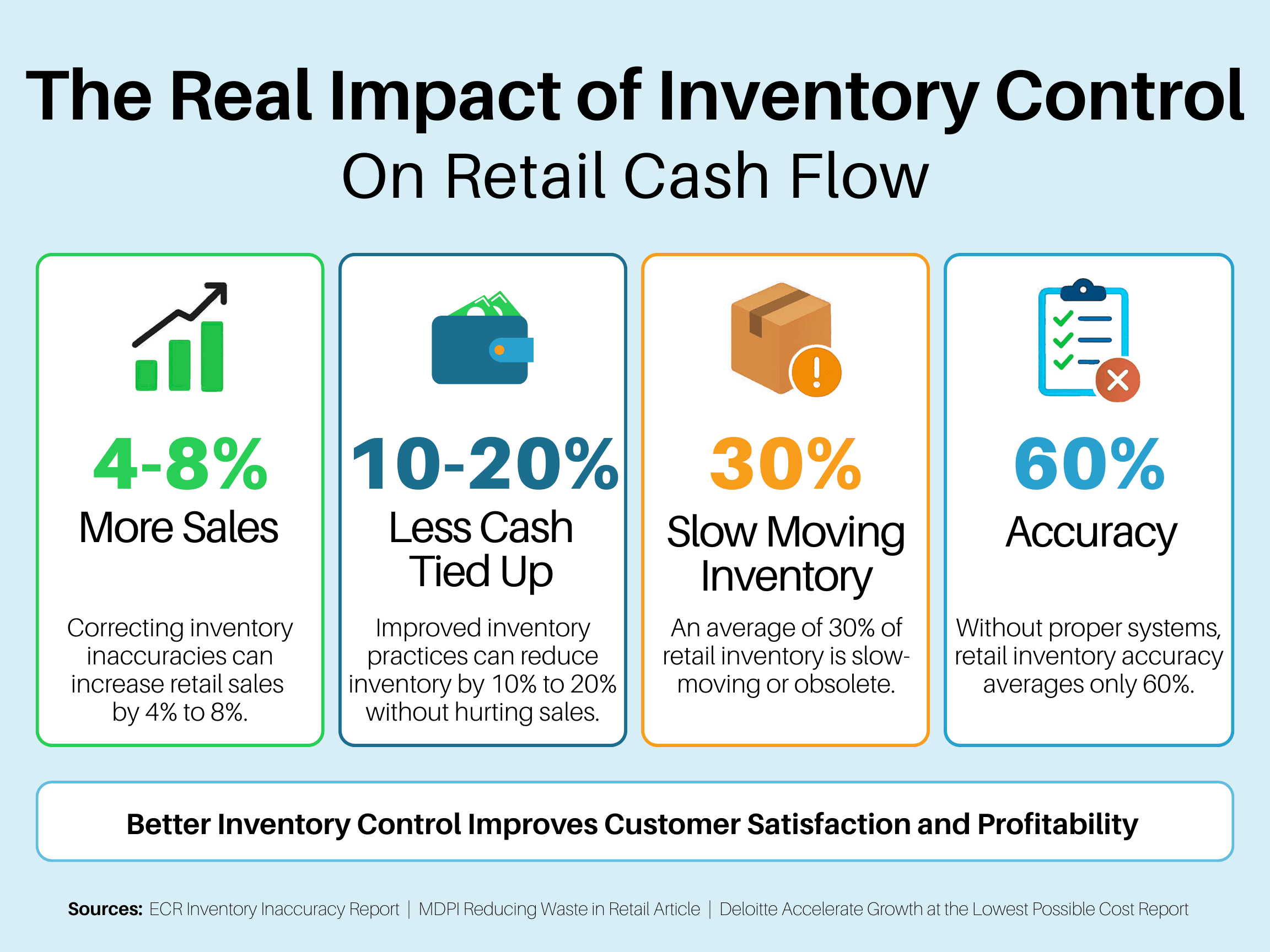
When inventory isn’t well balanced, the impact shows up quickly. Recent retail insights highlight how quickly excess stock can tie up available cash, limiting a retailer’s ability to cover day-to-day needs or respond to changes in demand. At the same time, when inventory doesn’t match what customers are actually buying, it leads to gaps on the shelf and missed sales opportunities.
Does your store have systems in place for effective inventory control for retail? Common symptoms of poor inventory management include costly errors, customer complaints, lost sales, disorganized storage spaces, and cash flow problems.
While inventory control might not feel urgent day-to-day, it directly affects two things every retailer cares about: cash flow and customer satisfaction. Fortunately, there are practical ways to unlock cash quickly, and then build longer-term control so it doesn’t build up again.
Quick Ways to Free Up Cash Now
Inventory typically represents 20% to 30% of a retailer’s total assets, meaning even small improvements can free up significant cash. If cash flow is tight and you need some relief sooner rather than later, these are good places to start.
Organize Your Backroom
Many retailers are surprised by what’s sitting in storage, mislabeled, or simply forgotten. A quick backroom reset can immediately uncover cash you already paid for by:
- Grouping similar products together
- Separating active stock from “unknown” or unlabelled items
- Checking for duplicates, seasonal leftovers, and discontinued products
Once you’ve done that, create a simple system your team can stick to with:
- Clear labeling (shelves, bins, zones)
- Logical product groupings
- Easy-to-follow storage rules
This step often reveals slow-moving or forgotten inventory that can be moved quickly through promotions.
Run a Focused Sale or Promotion
Excess or seasonal inventory doesn’t get more valuable with time. Instead of letting it sit, turn it into cash:
- Bundle slow-moving items with popular ones
- Run limited-time promotions
- Create clearance sections in-store
Even selling at a reduced margin is often better than holding inventory that ties up cash and takes up space. You probably won’t make full margin on it, but you’ll get your cash back and clear space for something better.
Talk to Suppliers About Return or Buy-Back Options
It’s not always obvious, but some suppliers are open to returns, especially for unsold or outdated stock. Ask about:
- Returns on slow-moving stock
- Buy-back agreements on seasonal products
- Exchange credit for future orders
Even if there is a restocking fee, it may still make financial sense compared to holding unsold inventory for months.
Habits That Pay Off Long Term
Quick wins can help in the short term, but building better habits around inventory control is what keeps the problem from coming back. These take a little more effort upfront, but the payoff is worth it.
Use POS With Built-In Inventory Tracking
If you’re still managing inventory on a spreadsheet or relying on memory and gut feel, there’s a better way. A modern point of sale system with inventory control built-in means you always know what you have, what it cost you, and how fast it’s moving. Every sale automatically updates item counts with no manual entry and no guessing.
With proper inventory control, you can:
- See exactly what you have in stock
- Understand how much money is tied up in inventory
- Track sales in real time
This matters more than most people realize. When your numbers are off, everything else is off too: your orders, your cash flow, your confidence in your own data. Getting accurate information in real time can make a big difference.
Shift To Smaller Orders, More Often
It sounds counterintuitive, shouldn’t bigger orders save money? Sometimes, yes. But large orders also mean a lot of cash tied up at once, and they leave you vulnerable if something stops selling before you work through it.
Smaller, more frequent orders keep your inventory control leaner and your cash freer. A reliable POS system can help here too, with suggested reorder points that let you and your staff know when it’s time to order more without anyone having to eyeball the shelf and guess.
Suggested ordering can help guide you with:
- Smaller, more frequent orders
- Clear reorder points
- Defined minimum and maximum stock levels
One thing worth noting is that not all suppliers work the same way. If you have a supplier with fast, reliable delivery, you can afford to keep less on hand. But if a supplier has long lead times or tends to be unpredictable, build in a safety buffer. Knowing your vendors can help to plan accordingly.
Count Inventory Regularly
Full physical counts are a pain, but you don’t have to count everything at once. Many store owners find it easier to count a section at a time (such as a few categories per week) so nothing goes too long without being checked.
Regular counts help you:
- Catch discrepancies early
- Identify patterns (like recurring losses in certain categories)
- Keep your records accurate
Regular counts help you catch shrinkage from theft, damage, receiving errors, or spoilage before it becomes a big problem. They also keep your data reliable, which helps you make every other inventory control for retail decision with confidence.
Review Inventory Reports
The sales data tracked in your POS system tells a story, but only if you look at it consistently. Spend a few minutes each week or month reviewing what sold, what didn’t, and what’s been sitting awhile.
By reviewing inventory movement, you can identify:
- Slow-moving items that are taking up space
- Products that were over-ordered
- Changes in customer preference
- Items that need better placement or merchandising
Sometimes the issue isn’t the product, it’s how it’s being sold. Other times, it’s a clear signal to adjust your buying decisions going forward.
Get Your Team Involved
Sometimes staff sees things you don’t. They’re the ones receiving shipments, restocking shelves, and hearing what customers are asking for. When they understand how your inventory system works and why it matters, they become an important piece of the puzzle not just for maintaining accuracy, but for catching issues before they become bigger problems.
A little training goes a long way. Walk them through the system:
- How to receive stock correctly
- How to record movement accurately
- How to identify and flag issues early
- Why inventory accuracy matters to the business
When your team understands the “why,” not just the “how,” inventory control for retail becomes part of daily routines.
Bringing It All Together
Inventory control for retail might not be the most exciting part of running a business, but it’s one of the most important. By taking a closer look at what you already have, you can unlock cash quickly. And by putting better systems in place, you can keep that cash flowing instead of tied up on your shelves. Even simple improvements in inventory control can increase sales by 4% to 8% while freeing up cash that would otherwise sit on shelves.
That’s where ClearTEQ POS comes in. With built-in inventory tracking, clear reporting, and tools that support smarter ordering, ClearTEQ helps you maintain stronger inventory control for retail without adding more complexity to your day. You’ll know what you have, what’s selling, and where your money is, so you can make decisions with confidence.
More control over your cash flow. More satisfied customers.
That’s something every retailer can appreciate.